

You leave home looking fresh, but by afternoon your forehead and nose are shining again. If you have ever wondered, “Why is my face oily even when I have washed it?”, you are not alone. Understanding oily face causes Nigeria searches bring up matters in Lagos heat and humidity.
An oily face is not automatically unhealthy or dirty. Surface shine can be sebum, sweat, or reflected light. The cause matters because two faces that look equally shiny may be reacting to very different things.
Why Skin Makes Oil
Small structures called sebaceous glands sit in the skin, often connected to hair follicles. They release sebum, a natural oily substance that helps soften the skin and support its protective surface. Your face has many active oil glands, especially across the forehead, nose and chin.
Sebum is not something your body makes by mistake. It helps the skin surface remain flexible, but a larger amount can make the face look shiny and feel greasy. Healthy skin can still produce excess sebum.
Genetics and hormones affect oil production. Shine alone cannot reveal the main cause.
Causes of Excess Oil: Oily Face Causes Nigeria

Genetics and natural gland activity
Some people inherit more active sebaceous glands. An oily forehead can be a longstanding family trait.
That is why excess sebum causes differ even between neighbours.
Heat, humidity and sweat
Hot weather makes sweating more noticeable, while humid air slows sweat evaporation. In Lagos and Port Harcourt, moisture sitting on the skin can mix with existing sebum and make the face feel much oilier.
Heat may also affect how easily surface oil spreads. A shiny face by afternoon is not proof of extra sebum production.
In Kano or Abuja, heat and dust also change how skin feels.
Hormones and the menstrual cycle
Sebaceous glands respond to hormones, particularly androgens. Natural hormonal changes around puberty, menstruation and other life stages can affect oiliness and breakouts.
Oiliness can vary across the menstrual cycle without signalling a disorder.
Stress and poor sleep
Work deadlines, traffic and interrupted nights can affect the body’s stress responses. Stress-related hormonal changes may influence oil glands and can coincide with acne flare-ups.
Poor sleep can also affect the skin barrier, but stress is not always the cause.
Over-washing and harsh soaps
Frequent washing and harsh soaps can disturb the skin barrier and remove surface lipids. The face may feel tight or irritated even though the underlying oil glands remain active.
People sometimes call the next appearance of shine rebound oil. That does not necessarily mean glands made more sebum; dryness and returning oil can create the impression.
Heavy products and makeup
Thick, oil-based products and layers of makeup can leave a shiny film or trap heat and sweat against the face. The resulting greasy feeling may come partly from what is sitting on the skin, not just from the glands below.
A shiny finish is not proof of increased sebum production.
Dehydrated skin and mistaken skin type
A face can produce plenty of oil while the outer skin layer lacks water. The result may be an unusual combination of shine, tightness and discomfort.
Afternoon shine alone cannot identify skin type.
Oily skin is not one problem. Treating it the wrong way can make it oilier. The Oily Skin Reset explains what is going on with yours.
Habits That Make Oil Worse
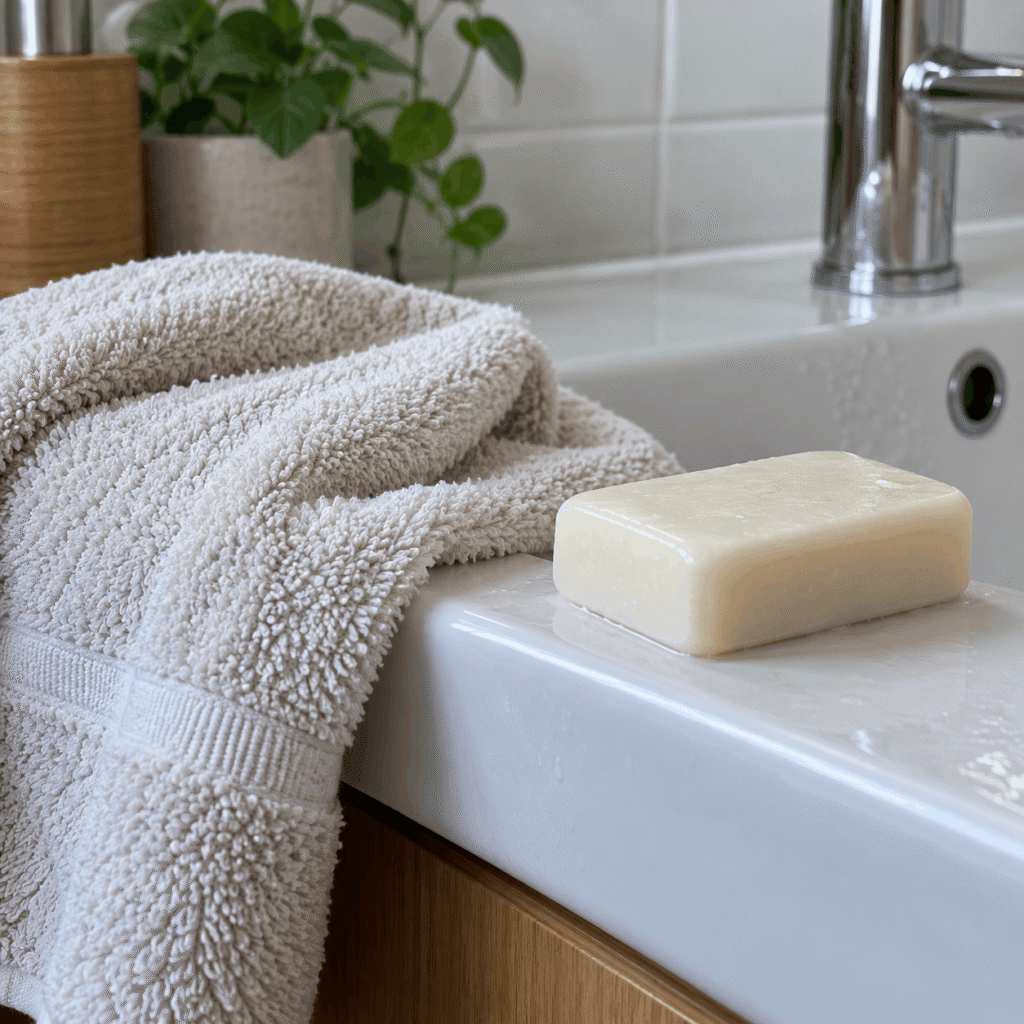
Habits may intensify irritation or visible shine without increasing sebum production.
- Washing too often: repeated removal of surface lipids can leave the barrier uncomfortable and the skin feeling stripped, while oil glands continue working.
- Scrubbing hard: friction can irritate the outer layer and worsen redness or dark marks, particularly in skin that pigments easily after inflammation.
- Alcohol-heavy products: some formulations increase dryness and stinging, which can make an oily face feel paradoxically tight.
- Picking at spots: squeezing or scratching can deepen inflammation, prolong visible marks and increase the risk of scarring.
Acne-prone skin may react differently from skin that is merely shiny.
Oily vs Dehydrated: Why Many People Misjudge Their Skin Type
Oily skin describes how much sebum the glands produce. Dehydrated skin describes a lack of water in the outer skin layer. They are different conditions, and they can exist together.
A naturally oily face may feel greasy, especially around the forehead and nose. A dehydrated face may feel tight, show fine surface lines, or become uncomfortable despite looking shiny.
There is another source of confusion: sweat is not sebum. In an Ibadan afternoon or a crowded Lagos bus, a wet forehead may reflect heat and sweat as much as oil production.
The seasons can add to that confusion. During Harmattan, roughly October to February depending on location and year, dry, dusty air may leave parts of the face feeling rough while oil glands continue releasing sebum.
A shiny nose and uncomfortable cheeks can coexist.
What is your skin type?
Six quick questions. Many people guess their skin type wrong, so find out yours.
Loading the quiz…
Myths About Oily Skin

“Scrubbing removes oil for good”
Scrubbing affects the surface, not the long-term activity of sebaceous glands. Friction can also disturb the barrier and worsen inflammation, so a temporary less-greasy feeling says little about the cause.
“Oily skin doesn't need any care”
Oil and a healthy skin barrier are not identical. Skin that produces plenty of sebum can still become irritated, dehydrated or affected by acne.
“Oily skin means dirty skin”
Sebum is a normal body substance, not dirt. Hormones and genetics explain much more about persistent natural oiliness than assumptions about someone's cleanliness.
“Stinging means it is working”
Stinging is a sensation, not proof of a useful effect. It may signal irritation or barrier disruption, particularly when accompanied by burning, swelling or lasting redness.
A shiny T-zone, product film and sweat can look alike but have different explanations.
When Oily Skin Needs a Professional
Ordinary shine is rarely an emergency, but some changes warrant assessment.
- Deep, painful acne lumps or cyst-like swellings can be associated with inflammation and scarring.
- Repeated painful spots or visible scarring suggest something more involved than ordinary surface shine.
- A sudden change in oiliness alongside other new symptoms may point to hormonal, medication-related or other health factors.
- Irregular periods together with acne and increased facial or body hair growth may warrant assessment for an underlying hormonal condition, including polycystic ovary syndrome.
A clinician can assess symptoms that cannot be explained by hot weather alone.
What Actually Works Depends on Your Situation
The right approach depends on:
- The cause: inherited gland activity, hormonal change, irritation, product residue or a combination.
- Your skin tone: inflammation may leave more noticeable dark marks in some skin tones.
- How long it has been happening: a familiar lifelong pattern is different from a sudden change.
- What has already been tried: previous irritation and skin reactions affect how the situation is understood.
The full step-by-step plan is in The Oily Skin Reset.
Frequently Asked Questions
Why is my face oily even right after washing?
Washing removes some surface oil, but sebaceous glands remain active beneath the skin. A face may also look shiny because of sweat or a remaining product film. If it feels tight and greasy at the same time, surface irritation or dehydration may be part of the picture, so there is no single explanation for everyone.
Does humidity make oil worse?
Humidity makes sweat evaporate less easily, so moisture can remain on your face and mix with sebum. That can make oily skin Lagos residents describe feel especially sticky. It does not prove that every person produces more sebum in humid weather; the visible shine may partly be sweat and surface moisture.
Can oily skin be dehydrated?
Yes. Oil is sebum, while dehydration means the outer skin layer lacks water. A person can have an oily forehead and still notice tightness, discomfort or flaky-looking areas. That combination is why appearance alone is an unreliable guide to skin condition, and why “oily” and “well hydrated” are not interchangeable labels.
Does what I eat affect oil?
Diet and skin are connected in complicated ways, and some dietary patterns have been studied in relation to acne. But eating jollof rice or beans does not prove why someone's forehead shines by afternoon. Hormones, genetics and climate can also matter, so food alone is a poor explanation for every case of oily skin.
Why do pores look bigger on oily skin?
Pores are openings linked to hair follicles and oil glands. When oil and debris collect around an opening, it can appear more prominent, and inherited skin structure also affects pore appearance. Pores do not open and close like doors, and visible pores are not evidence that a person's face is unclean.
Does oily skin get dry in Harmattan?
Yes. Harmattan air can be dry and dusty, particularly in northern Nigeria, and the skin's outer layer may lose water even while sebaceous glands continue making oil. Someone in Abuja or Kano might notice a greasy forehead together with tight-feeling cheeks. Dryness and oiliness are not opposites in every situation.
A shiny face by afternoon may involve natural sebum, weather, sweat, hormones, barrier irritation or more than one cause. Understanding oily face causes Nigeria readers encounter begins with recognising that visible oil is a clue, not a complete diagnosis.
This article is not medical advice.