

If you have been searching for dark inner thighs causes, you are probably wondering why the skin between your legs looks different from the rest of your body. You may notice a smooth patch, old bump marks or thickened skin.
It happens across body sizes and skin tones. What matters is why the skin changed.
What Dark Inner Thighs Are
Dark inner thighs describe an appearance, not a medical diagnosis. It can mean extra pigment, natural colour variation, thickening or inflammation.
A common reason is post-inflammatory hyperpigmentation: skin produces or retains more melanin after irritation or injury. Thigh rubbing can leave flat, darker areas after irritation.
The groin has folds and hair follicles, and it need not match the colour of your arms or stomach. From Kano to Abuja, Harmattan between roughly October and February brings different conditions from the humid coast.
Dark skin between thighs may also reflect rashes, hair removal or medical conditions. It is not proof of dirt or trapped sweat.
On brown and black skin, inflammation may produce more visible marks. Similar rubbing can affect people differently.
Causes of Dark Inner Thighs (Dark Inner Thighs Causes Explained)

There is no single answer to why are my inner thighs dark. Causes may overlap.
1. Friction from walking and chafing
When the inner thighs touch during walking, repeated rubbing can irritate the outer skin barrier. That inflammation can trigger extra melanin, leaving thigh chafing darkening even when the original irritation is no longer easy to see.
2. Heat and sweat
Lagos humidity and Port Harcourt’s damp weather can trap sweat in folds, increasing rubbing. Sweat itself does not stain skin; irritation may lead to pigmentation or a rash.
3. Hair removal trauma
Shaving, waxing and plucking can disturb hair follicles and create tiny injuries in delicate groin-area skin. Inflammation after those injuries may leave darker marks around the follicles or across a wider area.
4. Tight or synthetic underwear and leggings
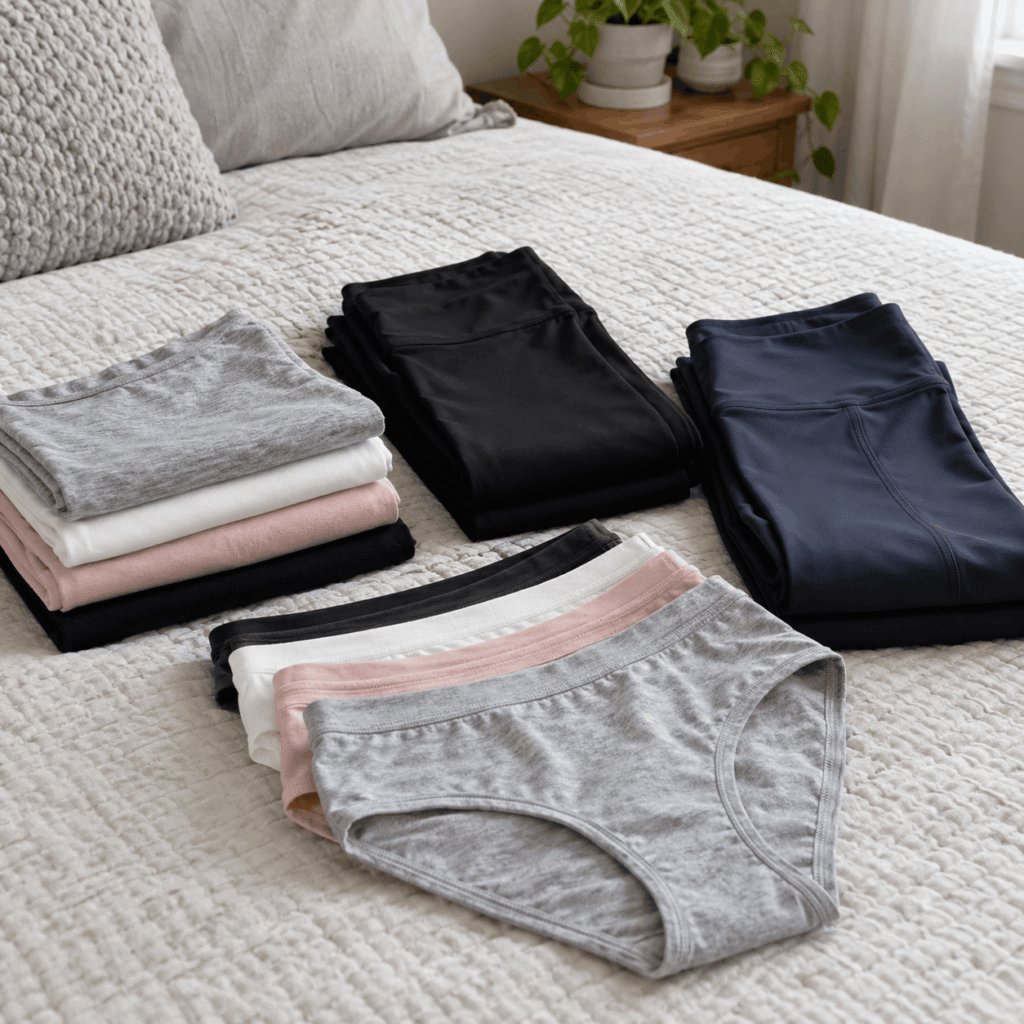
Close-fitting seams and fabric can rub the same skin repeatedly, while less breathable clothing may trap moisture. The combination of friction, sweat and irritation can affect inner thigh pigmentation, especially where the clothing presses into a fold.
5. Weight changes and skin folds
Changes in body size can change where the thighs touch and how deeply skin folds sit together. More surface contact may increase rubbing and trapped moisture, although people of every body size can have dark inner thighs.
6. Irritation from harsh products
Strongly fragranced products, harsh acids and bleaching mixtures may cause irritation or contact dermatitis in sensitive skin. Inflammation, and sometimes chemical injury, can leave a darker patch rather than simply changing surface colour.
7. Old razor bumps and ingrown hairs
An ingrown hair can cause a tender bump as the hair grows into surrounding skin, producing inflammation. Even when the bump is no longer visible, its previous location may remain darker than nearby skin.
8. Hormonal or insulin-related changes
Acanthosis nigricans can cause dark, thicker skin with a velvety feel in the groin, neck or underarms, sometimes alongside insulin resistance or hormone-related conditions. This is not ordinary surface dirt, and the look of the patch alone cannot diagnose diabetes or another condition.
Dark inner thighs have more than one cause, and what helps one cause can worsen another. The Natural Toning Guide helps you tell them apart.
Habits That Make It Worse
These habits may aggravate existing irritation through skin barrier injury, not poor cleanliness.
- Scrubbing hard: Rough sponges and forceful rubbing create friction and microscopic skin injuries. Pigment made after inflammation is not a coating that vigorous scrubbing can lift away.
- Lemon and other acids: Acidic DIY mixtures can sting or cause chemical irritation, especially where the skin is already inflamed. A burn or irritation may leave more obvious discolouration on brown or black skin.
- Bleaching creams: Harsh or unregulated lightening mixtures can inflame delicate skin, and some may contain harmful substances. The resulting injury can add new dark marks to an area that was already uneven.
- Dry shaving: Blade friction against unlubricated skin can produce tiny cuts, razor bumps and inflammation. These injuries may become another source of pigment change around the hair follicles.
- Picking at bumps: Scratching, squeezing and digging at ingrown hairs damages tissue around the follicle. That extra inflammation can make a small mark wider or more noticeable.
Across Ibadan and Abuja, routine grooming irritation may go unnoticed. But some dark patches are unrelated to grooming.
Why is your skin darker in some areas?
Five quick questions to help you understand what is behind your dark areas.
Loading the quiz…
Is It Pigmentation or Something Else?
A smooth, flat brown patch after rubbing may suggest friction-related pigmentation. Pain, itching, peeling or an unusual smell raise other possibilities.
Intertrigo is inflammation in moist, rubbing folds. It may look raw, sore, cracked or peeling; on dark skin it can appear brown or purple rather than bright red.
A fungal rash may show an itchy, scaly, ring-shaped or raised border. Not every fungal rash forms a ring, and other conditions can look similar.
The following features are worth distinguishing from uncomplicated pigmentation:
- A ring-shaped or spreading edge: Sometimes seen with fungal infection, particularly when the border is scaly.
- Itching or burning: Can accompany a rash or irritation rather than a colour change alone.
- Unusual odour: May occur when an inflamed, moist fold develops an infection, but smell alone cannot identify the cause.
- Rawness, cracks or peeling: Suggest the skin surface itself is inflamed or damaged.
- Pus, swelling or increasing pain: May indicate infection or another condition requiring assessment.
See a pharmacist or doctor if the area is itchy, painful, spreading, peeling, raw, unusually smelly or developing sores. Sudden widespread velvety darkening, or similar patches on the neck and underarms, also deserves medical assessment.
A rash and pigment change can coexist, so colour alone cannot settle the diagnosis.
Myths About Dark Inner Thighs
“It means poor hygiene”
Melanin is produced within the skin. Darkening from friction or inflammation says nothing about cleanliness.
Sweat and visible folds do not imply neglect. Everyday foods such as yam, beans and rice are not a way to identify the cause of a dark patch.
“Only overweight people get it”
Body size affects rubbing, but chafing, razor bumps and natural groin pigmentation occur across body sizes.
Velvety patches can sometimes be associated with insulin resistance, but no person's weight or appearance alone establishes that diagnosis.
“Harder scrubbing clears it”
Hyperpigmentation is not dirt sitting on the skin. Hard scrubbing can cause inflammation and additional marks.
Raw, inflamed skin is not a cleaning problem.
Friction Load Calculator
Skin that rubs, sweats and gets shaved often darkens and thickens. Find out how much daily friction one area of your body is under.
Loading the calculator...
What Actually Works Depends on Your Situation

The right approach depends on:
- The cause: friction-related pigmentation, inflammation after hair removal, a rash, naturally darker skin or a possible underlying condition.
- Your skin tone: inflammation may produce more noticeable pigment changes on deeper skin tones.
- How long the change has been there: the history helps distinguish a recent change from a long-standing difference.
- What you have already tried: past irritation, reactions and previous skin injuries help explain the current appearance.
The full step-by-step plan is in The Natural Toning Guide + 5 Bonuses.
Frequently Asked Questions
Is it normal to have dark inner thighs?
Yes. Colour variation around the groin and inner thighs is common, and friction or previous inflammation can make the difference more visible. It does not automatically mean anything is wrong. However, a new rash, pain, unusual itching or thick, velvety skin may have a different explanation and deserves closer medical attention.
Does it mean I am unclean?
No. Dark inner thighs are not a reliable sign of poor hygiene. Natural pigmentation, skin-to-skin friction, irritation after hair removal and inflammation can all change the area's colour. Sweat may contribute to irritation in warm weather, but it does not mean that someone with dark inner thighs has failed to keep clean.
Why do my thighs chafe so much in Lagos heat?
Lagos heat and humidity encourage sweating, and moisture can increase friction where the thighs touch during movement. Skin folds, clothing seams and individual body shape can add to that rubbing. Repeated chafing may inflame the skin and leave darker marks, although itching, rawness or peeling can suggest a rash rather than simple pigmentation.
Can dark thighs signal a health problem?
Sometimes. Dark, thick, velvety skin in the groin, particularly alongside similar patches on the neck or underarms, can be associated with acanthosis nigricans and insulin resistance. An itchy or painful patch may instead involve inflammation or infection. Neither appearance confirms a diagnosis, so accompanying symptoms and medical history are important.
Does shaving make it worse?
Shaving can contribute when a blade irritates skin, creates tiny cuts or causes ingrown hairs and razor bumps. Those injuries may lead to post-inflammatory pigmentation, particularly on deeper skin tones. But shaving is not the explanation for every dark patch; friction, contact reactions and medical conditions can create changes that look similar.
Is it permanent?
It depends on the cause. “Dark inner thighs” describes an appearance rather than one condition. A flat mark following friction, an itchy rash and a thick, velvety patch are not necessarily caused by the same process. The colour alone cannot establish which explanation applies, particularly when other symptoms are present.
In summary, when looking up dark inner thighs causes, remember that friction, sweat-related irritation, hair removal injuries and medical conditions can produce similar-looking changes. The colour alone does not tell the whole story, and darker inner thighs are not a judgement on hygiene or body size.
This article is not medical advice.