

If harmattan dry skin makes your arms feel tight, your legs flaky or your heels cracked, the weather may be part of the reason. Everyday habits can add to the irritation.
Harmattan often occurs from about October to February, although its intensity varies across Nigeria. Kano and Abuja may feel much drier than Lagos or Port Harcourt. The problem is not only dust but water escaping from the skin.
What Harmattan Does to Your Skin: Understanding Harmattan Dry Skin
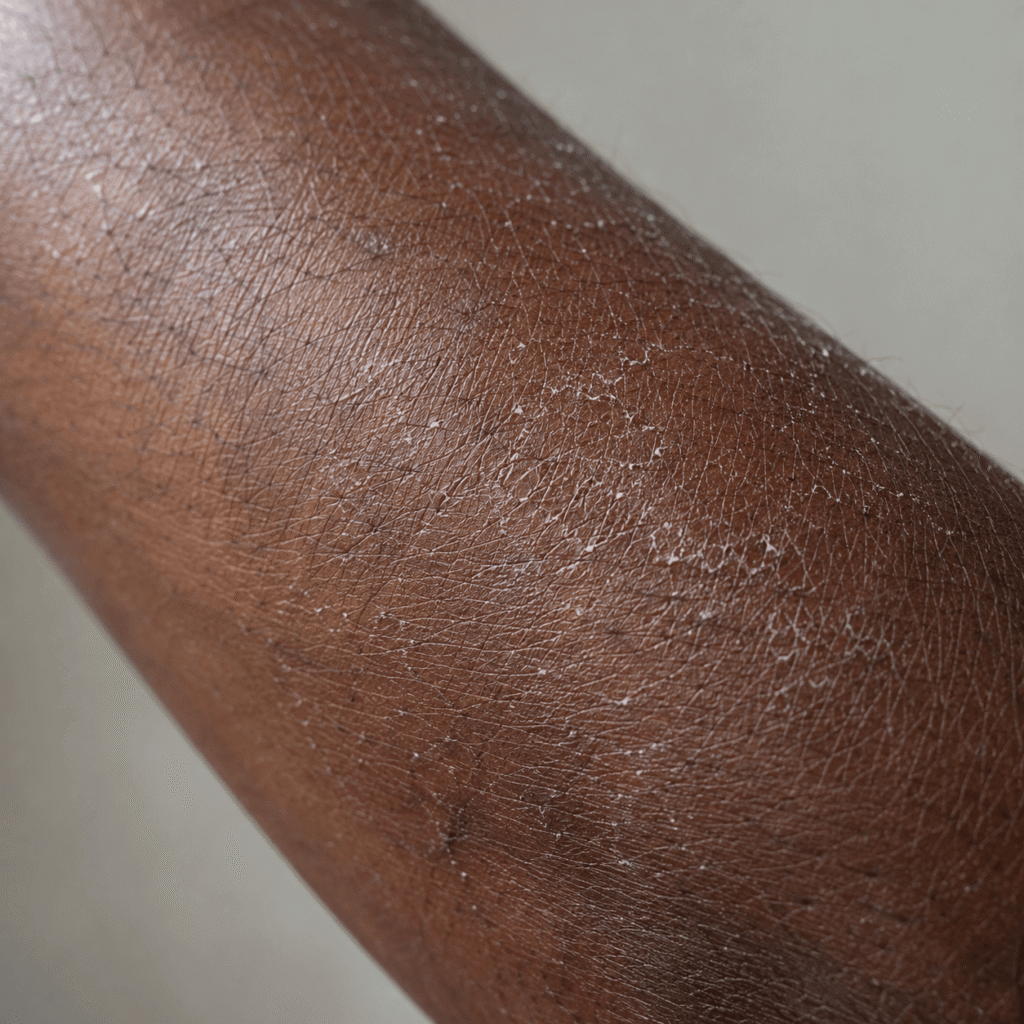
The skin barrier is the outer protective layer that helps retain water and keep irritants out. When it weakens, the skin loses water more easily.
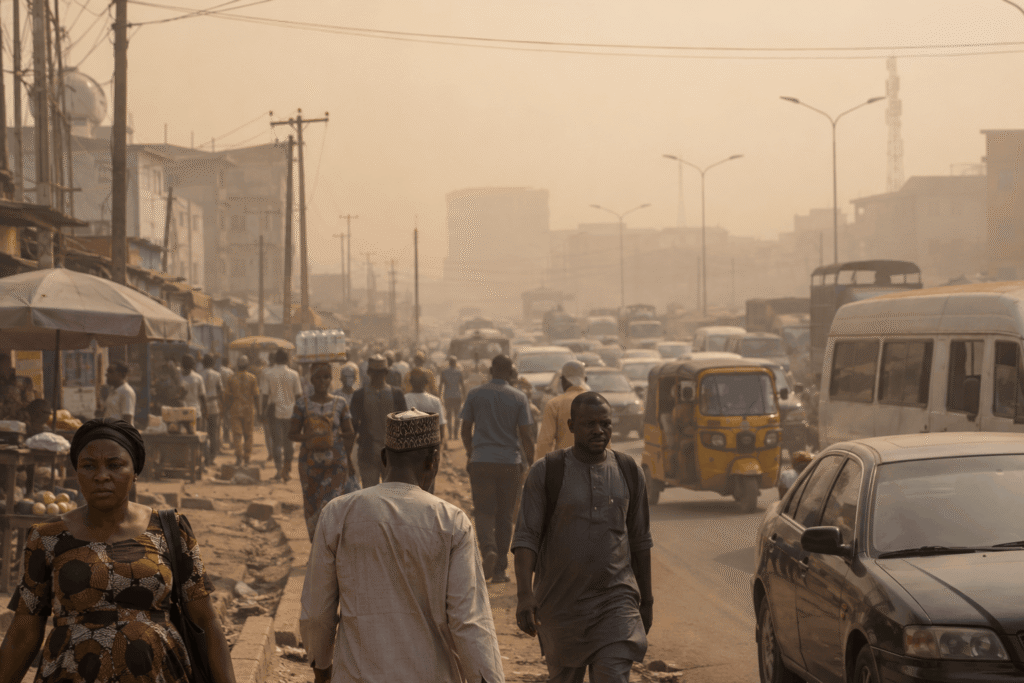
Harmattan brings dusty winds and very low humidity, especially in northern Nigeria. Dry air increases transepidermal water loss: water evaporating through the skin.
Dust and wind may also irritate sensitive skin, leading to roughness, tightness, flakes or itching. None of these means poor hygiene.
People with eczema or previous irritation may be more affected. Even family members can respond differently to the same weather.
7 Habits That Make Harmattan Dryness Worse
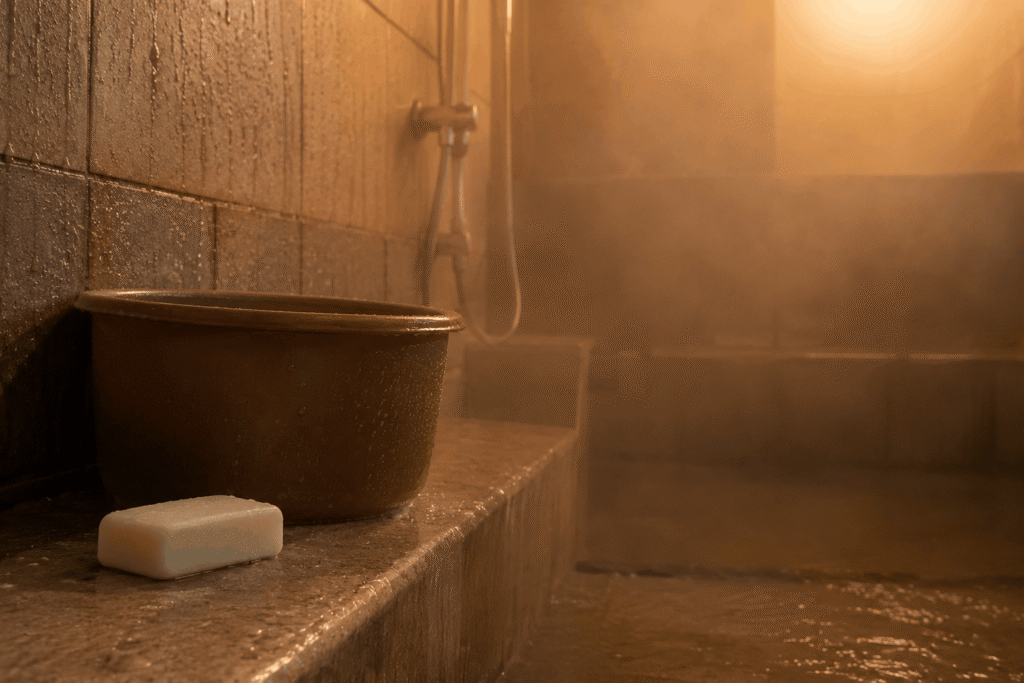
These habits can disturb the skin barrier, although their effects differ between people.
1. Very hot baths
Very hot water can disturb natural skin fats, increasing water loss and tightness. Irritated areas may sting.
2. Strong, foaming or antibacterial soaps
Some strong cleansers strip protective skin fats. A rich lather does not mean healthier skin, and antibacterial soaps can also irritate sensitive skin.
3. Scrubbing and rough sponges
Rough sponges can create tiny injuries, flaking and inflammation. On brown or black skin, that inflammation may leave dark marks.
4. Long baths and frequent washing
Long water contact swells surface cells, while repeated washing removes protective fats. Both may weaken the barrier, leaving skin tight despite contact with water.
5. Fans or air conditioning blowing on the skin all night
Moving air can increase surface evaporation, while air conditioning reduces indoor humidity. Direct airflow can worsen discomfort in skin that is already dry.
6. Alcohol-based sprays and sanitisers
Alcohol may remove surface fats and sting cracked skin, especially on the hands. Not every spray causes dryness; the skin’s condition and formulation matter.
7. Tight or rough clothing over dry skin
Rough fabric and seams repeatedly rub fragile skin, creating more irritation and barrier damage. Clothing friction may add to discomfort when moving between dusty streets and air-conditioned rooms.
Harmattan dryness is not the same for everyone, and the wrong fix can make it worse. The Dry Skin Rescue explains what your skin is missing.
Signs Your Skin Barrier Is Struggling
Harmattan skin problems can show up as small changes before painful cracking.
- Tightness: Skin can feel stretched or uncomfortable because its outer layer has lost flexibility.
- Flakes: Loosened surface cells become visible when the skin is not holding water well.
- Whitish patches on dark skin: Fine pale scales can stand out against deeper skin tones, sometimes creating a powdery appearance. Not every white patch is dryness.
- Itching at night: Dry, inflamed skin can itch, and warmth, bedding friction or fewer distractions at bedtime may make the sensation more noticeable.
- Cracks: Skin with less flexibility can split, especially in areas under pressure or frequent movement.
Itchy skin during Harmattan may reflect dryness, eczema or contact irritation; appearance alone cannot confirm which.
Sharp-edged pale patches without flakes may have another cause. Not every light mark is seasonal dryness.
Dry vs Dehydrated: Why People Confuse Them
Dry skin is commonly used to describe a skin type that makes less natural oil, although medically dry skin also involves too little water in its outer layer. Dehydrated skin describes skin that lacks water and can affect someone with any skin type, including oily skin.
Both can cause tightness and flakes. Someone with oily facial skin can also lose skin water during Harmattan.
Whole-body dehydration is different from skin-surface dryness. Flaky shins do not prove insufficient drinking water.
Eating familiar meals of rice, beans, yam or swallow does not rule out weather-related dryness. Skin appearance alone cannot diagnose a dietary problem.
How dry is your skin this Harmattan?
Seven quick statements to check how your skin is coping with the dry season.
Loading the quiz…
Myths About Dry Skin in Harmattan
“Drinking water alone solves it.”
Drinking water supports the body's normal functions, but skin dryness is not explained only by how much someone drinks. Low humidity, barrier damage, skin conditions and irritation can all affect moisture loss at the surface. The idea that every patch of dry skin proves poor hydration is misleading.
“Oily skin never gets dry.”
Oil production and water retention are not identical. Skin that looks shiny can still have a weakened outer barrier and feel tight or flaky. That is why an oily face and dry arms or legs can exist in the same person.
“Dry skin and dehydrated skin are the same.”
The terms overlap in everyday conversation, but they describe different things. Naturally low oil production is associated with a dry skin type, while skin dehydration concerns water content. Neither label, on its own, establishes the cause of itching, scaling or cracking.
Similar-looking patches may have very different causes.
When Dry Skin Is a Medical Issue
Cracked skin during the dry season can sometimes break open, allowing germs to enter.
- Bleeding or deep cracks: Splits in the skin can be painful and create an opening for infection.
- Persistent rash: Red, brown, purple or darker inflamed patches may suggest eczema, contact dermatitis or another condition, especially on darker skin where redness is less obvious.
- Constant itching: Itch that disrupts sleep or daily activities may point to significant inflammation or another medical cause.
- Possible infection: Pus, yellow crusts, increasing warmth, swelling, spreading pain or fever can indicate an infection.
- Eczema look-alikes: Fungal infections, psoriasis and other conditions may resemble dry patches but have different causes.
See a pharmacist or doctor if your skin is cracking, bleeding, persistently itchy or developing a rash. Spreading redness, significant pain, fever or pus warrants prompt medical assessment.
Not every scaly rash is eczema, and appearance alone may not explain its cause.
What Actually Works Depends on Your Situation
The right approach depends on factors that are different for every person:
- The cause: dry air, friction, irritant exposure, naturally dry skin or a medical condition.
- Your skin tone: scaling and inflammation may appear differently on deeper skin tones, and irritated areas may develop dark marks.
- How long it has been there: a new seasonal change and long-standing recurring dryness may have different explanations.
- What you have already tried: previous reactions, irritation and changes in the skin's appearance can shape the picture.
The full step-by-step plan is in The Dry Skin Rescue.
Frequently Asked Questions
Why does my skin get so dry in Harmattan?
Harmattan brings dusty winds and lower humidity, which can increase water loss from the outer layer of your skin. The protective barrier may become less effective, leaving skin rough, tight or flaky. People with eczema, naturally dry skin or existing irritation may notice stronger symptoms, even when others around them seem unaffected.
Why do I see white patches on my skin?
Dry skin can develop fine, pale flakes that stand out against brown or black skin, making an area look whitish. However, not every pale patch is caused by dryness. Clearly defined patches, spreading colour changes or areas without scaling may have other explanations, including conditions that affect pigment or cause inflammation.
Why does my skin itch at night?
Dry skin can trigger itching when its protective barrier becomes irritated or inflamed. Bedtime warmth, fabric friction and having fewer distractions may make the sensation feel more noticeable at night. Persistent or severe itching is not always seasonal dryness; eczema, contact dermatitis, infections and other medical conditions can also cause it.
Is dry skin the same as dehydrated skin?
Not exactly. A dry skin type is often associated with lower natural oil production, while dehydrated skin lacks water and can occur even when the skin is oily. The terms can overlap because both may cause tightness, roughness or flakes. Appearance alone may not show which factors are responsible, especially during Harmattan.
Why do my lips and heels crack first?
Lips have a relatively delicate barrier and lack the oil-producing glands found across much of the skin. Heels face body weight, pressure and friction, and thickened dry skin there can split when it loses flexibility. They are both vulnerable areas, but painful, deep or bleeding cracks may indicate a more serious problem.
Can dry skin cause dark patches?
Yes, indirectly. Dry skin that becomes inflamed, scratched or repeatedly rubbed can develop post-inflammatory hyperpigmentation, especially in brown or black skin. But every dark patch is not caused by dryness, and some changes have different medical explanations. The cause, skin tone and history matter; The Dry Skin Rescue explains the broader picture.
In summary, harmattan dry skin reflects dry air, the skin barrier and individual sources of irritation. Not every flaky patch has the same cause.
This article is not medical advice.